
Alpha Lipoic Acid in Cosmetics: Key to Brighter, Firmer Skin
What is Alpha Lipoic Acid? A Scientific Overview
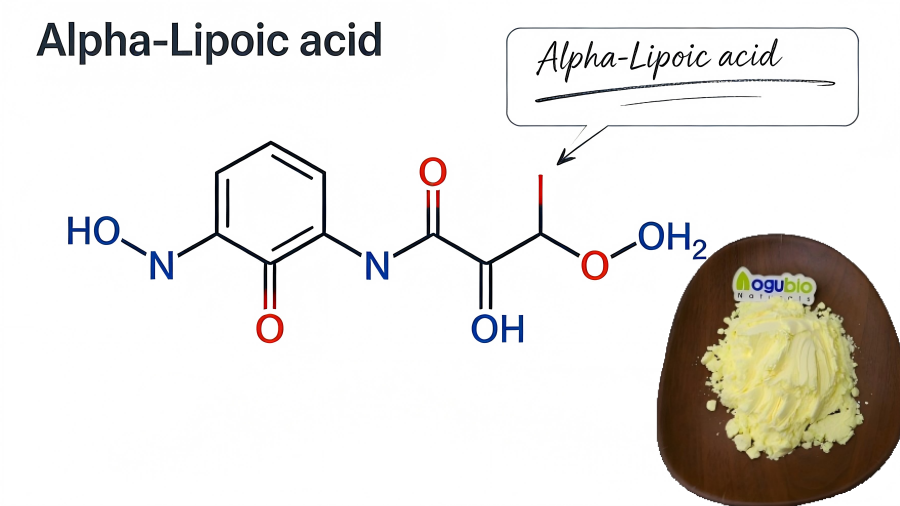
Alpha lipoic acidis a naturally occurring fatty acid produced in the mitochondria of every cell in the human body, where it plays a critical role in energy metabolism. It is also found in small amounts in foods such as spiNACh, broccoli, Brussels sprouts, red meat, and organ meats like liver and kidney. What makes ALA uniquely powerful compared to other antioxidants is its dual solubility—it is both water-soluble and fat-soluble. This characteristic allowsALA to penetrate all layers of the skin, from the outermost epidermis to the deeper dermis, where collagen and elastin fibers reside.
As an antioxidant, ALA' s primary function is to neutralize harmful free radicals—unstable molecules generated by factors like UV radiation, air pollution, and stress. Free radicals damage skin cells, break down collagen, and trigger inflammation, leading to visible signs of aging such as wrinkles, sagging, and uneven skin tone. Unlike many antioxidants that work only in specific cellular environments, ALA' s universal solubility enables it to combat free radicals throughout the skin, making it a "universal antioxidant" with long-lasting protective effects. Additionally, ALA has been shown to regenerate other antioxidants like Vitamin C and E, enhancing their effectiveness in protecting the skin.
Key Benefits of Alpha Lipoic Acid in Skincare: Backed by Clinical Research
- Reduces Fine Lines and Wrinkles by Protecting Collagen
Photoaging, caused by chronic UV exposure, is the leading cause of premature skin aging, resulting in fine lines, wrinkles, and loss of elasticity. A preliminary report published in the Aesthetic Surgery Journal in 2000 investigated the efficacy of a topical 5% ALA cream in treating photodamaged skin. In the study, 5% ALA cream was applied to subjects' faces twice daily for 12 weeks. The results were striking: most patients experienced almost complete resolution of fine lines in the periorbital and upper lip regions, a 50% reduction in the depth of medium vertical lines on the upper lip, and a significant reduction in pore size. Importantly, there were no instances of skin irritation or peeling, confirming the ingredient' s safety.
- Brightens Skin Tone and Improves Texture
Dull, uneven skin tone is a common concern caused by free radical damage, sun exposure, and inefficient cellular turnover. The 2000 Aesthetic Surgery Journal study also noted that all subjects using the 5% ALA cream experienced overall improvement in skin color and texture, with a more radiant complexion. This brightening effect is attributed to ALA' s ability to neutralize free radicals that cause hyperpigmentation and its role in boosting cellular energy metabolism, which enhances skin cell renewal and removes dull, dead skin cells more efficiently.
- Soothes Inflammation and Supports Sensitive Skin
Inflammation is a key driver of many skin issues, including redness, irritation, and acne. ALA' s anti-inflammatory properties make it suitable for sensitive, acne-prone, or eczema-prone skin. A 2022 study published in Biomedicines investigated the effect of ALA supplementation on age-related skin dysfunction in rats and found that ALA improved skin microcirculation and reduced endothelial dysfunction, which is linked to inflammation and skin sensitivity. While this study focused on oral supplementation, the anti-inflammatory effects translate to topical use, as ALA penetrates the skin and modulates inflammatory pathways.
Product Characteristics and Advantages of ALA in Cosmetics
- Dual Solubility: As mentioned earlier, ALA' s ability to dissolve in both water and fat allows it to be incorporated into a wide range of cosmetic formulations, from water-based serums to oil-based creams. This versatility also ensures deep penetration into the skin, maximizing its efficacy.
- Compatibility with Other Actives: ALA works synergistically with other popular skincare ingredients, including niacinamide, vitamin C, and vitamin E. It regenerates these antioxidants, making them more effective and extending their protective effects. This compatibility allows manufacturers to create multi-ingredient formulations that target multiple skin concerns simultaneously.
- Stability in Formulations: While pure ALA can be unstable, advancements in cosmetic technology have improved its stability. For example, cubosomal ALA formulations (as used in the 2021 Journal of Cosmetic Dermatology study) offer high heat stability, low viscosity, and controlled release, ensuring that ALA remains active throughout the product' s shelf life and delivers consistent results when applied to the skin.
- Low Irritation Risk: Unlike some potent antioxidants, ALA is gentle on the skin at recommended concentrations. This makes it suitable for long-term use and for individuals with sensitive skin who may struggle with other anti-aging ingredients.
- Multi-Functional Efficacy: ALA addresses multiple skin concerns—anti-aging, brightening, inflammation reduction—in a single ingredient. This multi-functionality is highly valued by consumers seeking streamlined skincare routines, as it eliminates the need for multiple products targeting different issues.
Applications of Alpha Lipoic Acid in Cosmetic Products
- Anti-Aging Serums and Creams
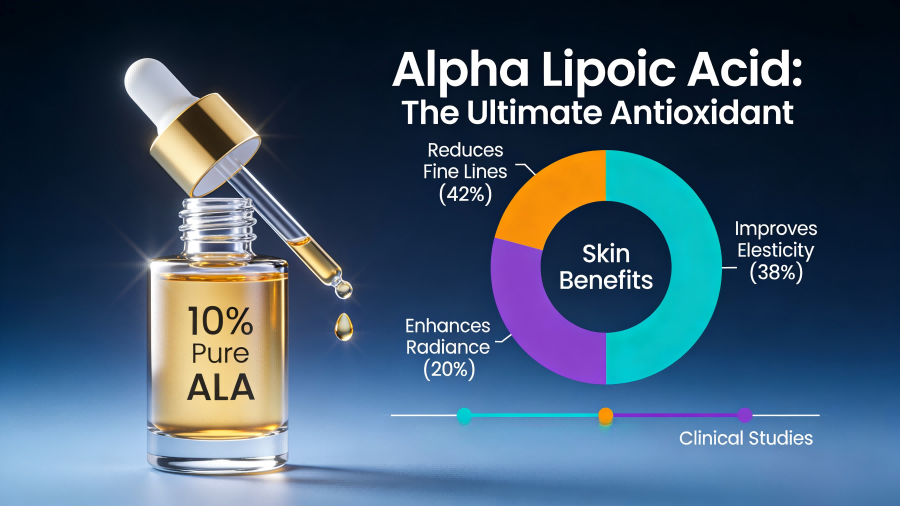
Anti-aging is the most common use of ALA in cosmetics. Serums and creams formulated with 1–5% ALA are designed to reduce fine lines, wrinkles, and sagging skin. These products often combine ALA with other anti-aging ingredients like peptides, hyaluronic acid, or vitamin C to enhance collagen production and skin firmness. A consumer study of an ALA-containing face firming serum found that 87% of participants agreed their skin looked healthier, 86% reported smoother skin, and 79% noticed improved firmness after 4 weeks of use.
- Brightening and Radiance Products
ALA is a key ingredient in brightening toners, serums, and masks. These products target dullness and uneven skin tone by neutralizing free radicals and boosting cellular turnover. A multi-action overnight intensive firming mask containing ALA was found to improve fine lines and wrinkles in 97% of subjects and skin firmness in 94% after 4 weeks of use, with many participants also reporting a more radiant complexion.
- Moisturizers for Sensitive or Acne-Prone Skin
Moisturizers formulated with low concentrations of ALA are ideal for sensitive or acne-prone skin. The ingredient' s anti-inflammatory properties soothe redness and irritation, while its antioxidant protection defends against environmental stressors that can worsen breakouts. These moisturizers are often lightweight and non-comedogenic, making them suitable for daily use.
- Sun Damage Repair Products
Given its proven efficacy in treating photodamaged skin, ALA is a common ingredient in post-sun repair products. These products help repair UV-induced damage, reduce redness, and restore skin barrier function. The 2000 Aesthetic Surgery Journal study specifically focused on photodamaged skin, confirming ALA' s ability to reverse signs of sun damage like fine lines and uneven tone.
Conclusion: Alpha Lipoic Acid—A Must-Have Ingredient for Modern Skincare
Alpha lipoic acid' s unique combination of universal antioxidant activity, dual solubility, and proven clinical efficacy makes it a standout ingredient in the cosmetic industry. From reducing fine lines and brightening skin tone to soothing inflammation, ALA addresses multiple consumer skincare concerns, supported by rigorous scientific research. Its compatibility with other ingredients and low irritation risk further enhance its appeal, making it suitable for a wide range of skin types and cosmetic formulations.
- Name: Yuki
- E-mail: sales02@nahanutri.com
- WhatsApp:+8618066950297